
Farsi Speaking Therapist London: NHS, Private Care or Online?
A practical guide for Iranians in London and the UK: NHS talking therapies, private therapists, and when online therapy in Farsi makes sense.

If you live in Toronto or Vancouver and you have typed "Farsi speaking therapist Toronto" into a search bar, you probably assumed it would be easy. Both cities have large Iranian communities, there is a Persian grocery store in almost every neighbourhood, and Toronto is sometimes jokingly called "Tehranto". But when it comes to finding a therapist who actually fits, many people discover it takes more than a quick search.
This guide lays out your options side by side: what Canada's public health system usually covers, when local in-person care is the better choice, and when online therapy in Farsi makes sense.
There are Farsi-speaking mental health professionals in Toronto and Vancouver. But finding one is not the same as finding the right one. The therapist you come across may not have much experience with your issue, whether that is couples work or anxiety. Their open slots may clash with your work hours, or they may have a waiting list.
There is another concern Iranians rarely say out loud: the community is small. Imagine finishing your third session and then running into your therapist the following week at a Nowruz party (Nowruz is the Persian New Year, celebrated in March) or at a mutual friend's dinner. For some people, that thought alone is enough to stop them from seeking help. It is a real concern and worth considering when you choose.
Outside the big cities, in smaller towns in Ontario and British Columbia or in other provinces, in-person options in Farsi are usually much more limited.
Canada has public health insurance run by each province, such as OHIP in Ontario and MSP in British Columbia. Details differ between provinces, but the general picture usually looks like this:
All of this depends on your province and your plan, so check with your insurer what is covered and with which kinds of providers before you start. Titles such as "psychologist" are regulated by a provincial professional body in Canada, and you can usually check a therapist's registration on that body's website.
Online therapy works well for many problems, but it does not replace everything. Go for local help in these situations:
For anxiety, homesickness, loneliness, the pressures of the first years after moving, relationship problems and family conflict, online therapy in Farsi is a serious option. A few reasons why:
To be clear about how NikMind works: our therapists are based in Iran and every session is online. The clinic has no office or local licence in Canada, so sessions are usually not reimbursed by Canadian benefits plans. There is also a time difference; Toronto is several hours behind Tehran and Vancouver even more. Sessions are scheduled to fit around your work and family life.
If your partner or children don't speak Farsi, this article may help them understand why you prefer therapy in your first language. You can also read about the services we offer.
Whether you go in person in Toronto or Vancouver or online, these questions help you choose well:
To get to know the clinic's team, see our Farsi speaking therapists or the profile of Dr. Meysam Nikdanesh.
Many Iranians in Canada put off getting help for months or even years, because they don't know where to start or they tell themselves, "I'll sort it out myself." If you are thinking about harming yourself, call 911 or go to an emergency department right now. If it is not urgent but things have felt heavy for a while, take one small step: talk to your family doctor, ask about your workplace EAP, or book a pre-consultation.
In the pre-consultation you briefly talk about what is going on, and then you are matched with a therapist who has experience with your situation.
Provincial insurance usually covers family doctor and psychiatrist visits, but sessions with psychologists in private practice are usually not covered. Many people use workplace extended health benefits, so check your plan.
Usually not, because most plans require a provider licensed in Canada. Ask your insurer before you start.
If your life is in danger, call 911 or go to the nearest emergency department. You can also call or text the 988 Suicide Crisis Helpline.
Toronto and Vancouver are several hours behind Tehran, but it is usually possible to find a time that fits your schedule. Session times are arranged after the pre-consultation.
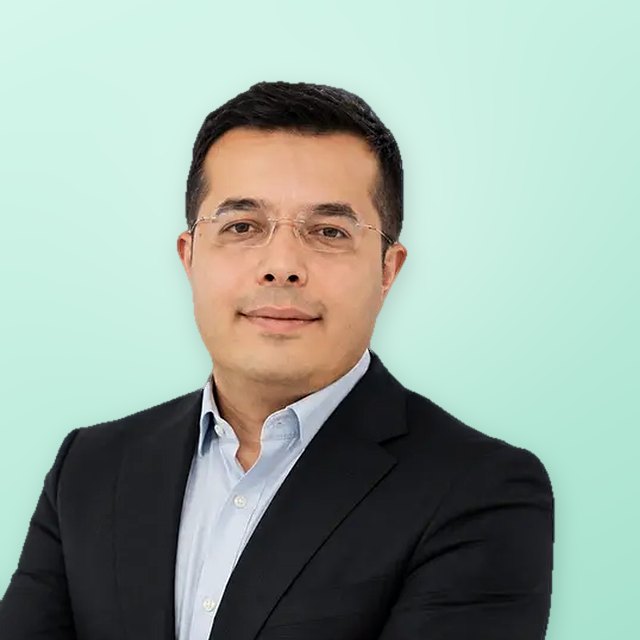
PhD in Clinical Psychology, psychotherapist and founder of NikMind Clinic. Articles here are for general information and do not replace an assessment session with a psychologist or psychiatrist.

A practical guide for Iranians in London and the UK: NHS talking therapies, private therapists, and when online therapy in Farsi makes sense.

Why anxiety tends to rise in the first months after moving abroad, what it looks like, simple habits that help, and when to reach out for support.