
H1B Layoff Stress: Getting Through the First Weeks After Losing Your Job
When your status depends on your job, a layoff is more than losing work. This guide helps you get through the first weeks with a steadier mind.
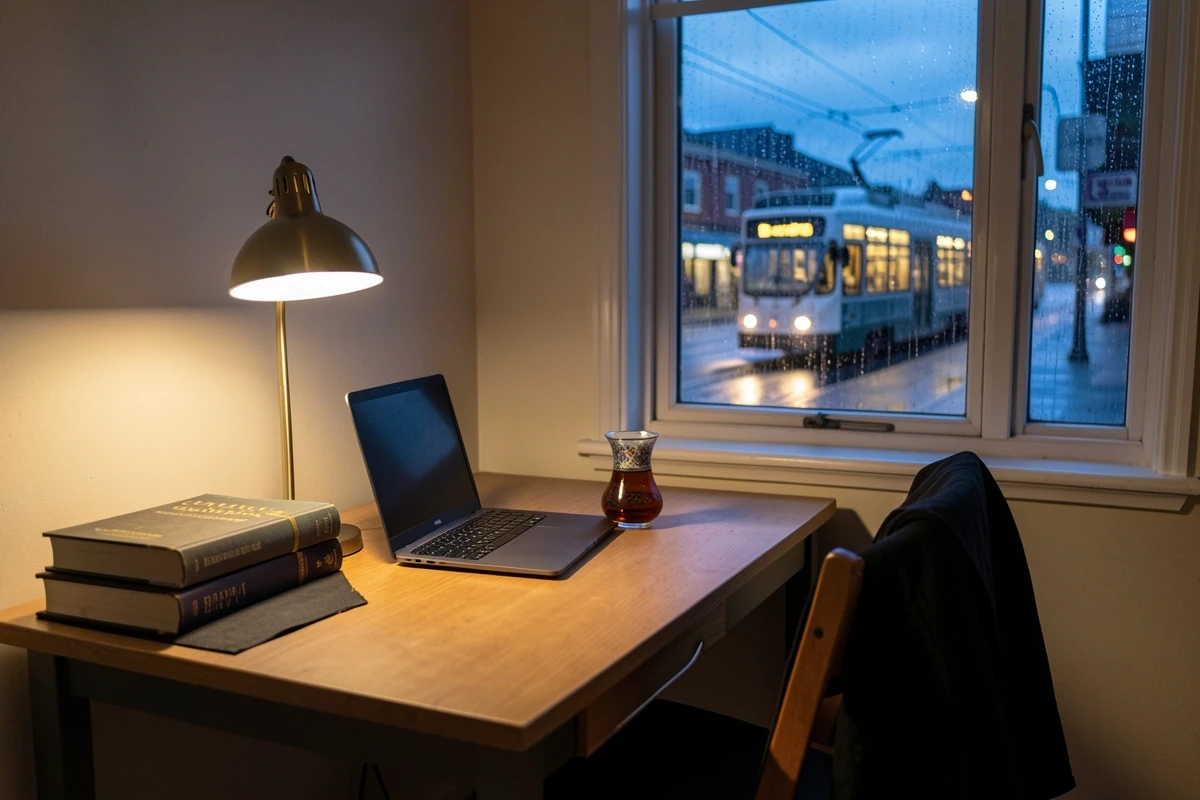
It's 11 p.m. Your café shift has just ended, you're on the tram, and tomorrow's assignment is still half done. In Tehran it's mid-afternoon, and your mum has messaged: "How are your studies going?" You type "All good" and put the phone away. International student stress Melbourne-wide often looks like this. Not one big crisis, but small pressures that pile up every day until one morning you can't get out of bed. This article looks at where that pressure comes from, the signs of burnout, and where you can get help.
An international student is never just a student. You study, work, pay rent, wrestle with a second language and live far from a family that may have given up a lot for your degree. Each of these is manageable alone. The problem starts when they all push at once, with no break.
International tuition is usually heavy, and Melbourne is not a cheap city to live in. For many Iranian students, transferring money from Iran and swings in the exchange rate add a constant background worry. When you know what your family gave up for this semester, a low mark stops being just a mark. It can feel like a debt.
Student visas usually limit how many hours you can work, and the details depend on your situation and current rules. So many students squeeze part-time jobs into nights and weekends: cafés, restaurants, warehouses, food delivery. The work is tiring, sleep shrinks, and study time gets carved out of whatever hours are left.
The Australian university system may feel very different from what you knew in Iran. Academic essays, group projects, referencing and the expectation to speak up in class can all be new. If English is your second language, every assignment takes twice the energy. Many students are also too embarrassed to ask questions, assuming everyone else already knows.
Melbourne is big and lively, but loneliness in a busy city can feel heavier. Classmates scatter after class, housemates keep their own schedules, and you shuttle between work and the library. Melbourne is several hours ahead of Tehran, so your free time and your family's rarely overlap. The city is also known for "four seasons in one day", and in winter the short grey days can drag your mood down further.
Burnout doesn't arrive overnight. It usually starts as tiredness that a weekend of sleep doesn't fix. Some signs worth taking seriously:
If several of these have stayed with you for a few weeks, your mind and body are sending a warning. It doesn't mean you've failed. It means the load you're carrying is bigger than what you can manage right now. For physical symptoms, it's also worth seeing a GP once to rule out a medical cause.
Many Iranian students in Melbourne carry an extra weight: keeping up appearances for family. When your parents have paid for your studies and told the whole extended family their child is studying in Australia, saying "I'm not okay" or "I failed a subject" becomes very hard.
Silence protects your family in the short term, but it leaves you lonelier over time. You don't have to tell everyone everything. Maybe you can be a little more honest with one person: a sibling, an old friend, or the parent who tends to understand you best. Most parents care more about their child's wellbeing than their grades, even if they're shaken at first.
Put work shifts, classes and sleep in your calendar first, then see how much time is really left for study. If the numbers don't add up, the problem isn't your willpower. The plan is impossible, and something has to change, such as the number of shifts or subjects this term.
If you're falling behind, talk to your lecturer or student services before the deadline. Universities usually have ways to grant extensions or consider special circumstances, but you often need to apply before the due date. In Australian academic culture, asking questions isn't a sign of weakness; it's part of the job.
An all-nighter before a deadline might work once or twice, but as a habit it wears down focus, memory and mood together. If you work late shifts, try to keep at least your wake-up time steady and put your phone away half an hour before bed.
A study buddy, a sports group, or a housemate you cook dinner with once a week. A small, regular connection helps more than a big, occasional crowd. On sunny Melbourne days, even a walk outside can shift your mood more than you'd expect.
Most Australian universities offer counselling and student support services, and they're a good first stop. A GP can also assess how you're doing and refer you on if needed. What your student health cover includes depends on your policy, so check with your insurer. If you need to see a psychiatrist in person, or it's an emergency, local face-to-face care comes first.
Alongside that, many Iranian students would rather talk about family pressure, guilt and homesickness in Farsi, with someone who doesn't need taarof (the Persian habit of polite insistence and modesty) or Iranian family expectations explained. If you're looking for a Farsi-speaking psychologist for people living in Melbourne, online sessions can fit between classes and shifts. For options across the country, see Iranian psychologist in Australia. NikMind's therapists are based in Iran and all sessions are online. You can start with a pre-counseling session to be matched with the right therapist, or first meet our Farsi-speaking therapists.
If the pressure ever reaches the point where you have thoughts of harming yourself, don't wait: call 000 now.
If you've been waking up tired for weeks, lost interest in your studies and started avoiding people, it has likely gone beyond ordinary stress and it's worth getting support.
Most Australian universities have counselling and student support services. Check your own university's student services for details.
You don't have to tell everyone everything. Being honest with at least one family member or old friend usually makes the load lighter.
Online sessions can fit between classes and shifts with no travel. In an emergency, though, local in-person help comes first.

NikMind Editorial Team
Articles here are for general information and do not replace an assessment session with a psychologist or psychiatrist

When your status depends on your job, a layoff is more than losing work. This guide helps you get through the first weeks with a steadier mind.

If you're in the UK waiting for therapy, here's how the queue usually works and how to look after yourself until your turn comes.
Years of waiting, postponed plans and dread over every letter: how to cope with the uncertainty of a pending green card without putting your life on hold.