
NHS Therapy Waiting List: What to Do While You Wait for Your Turn
If you're in the UK waiting for therapy, here's how the queue usually works and how to look after yourself until your turn comes.
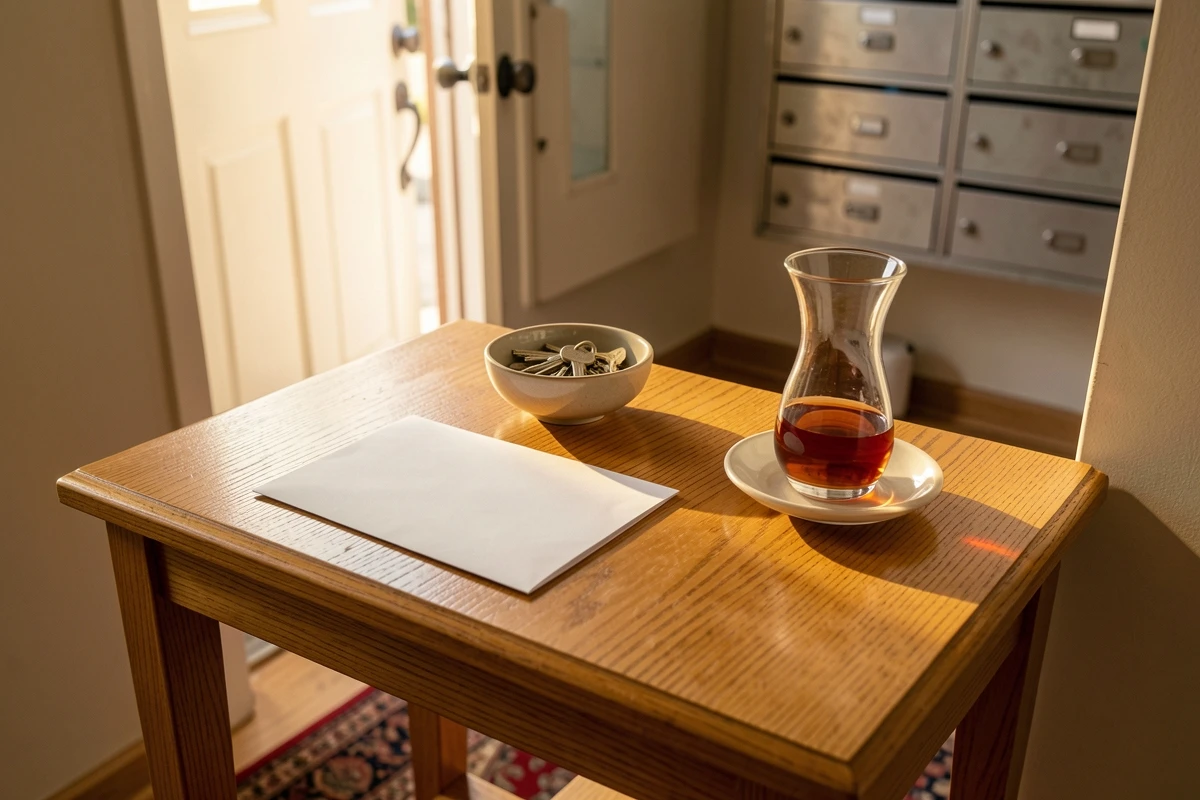
There is a plain white envelope in the mailbox, and before you even open it your heart is racing. It might be a routine notice. It might be a request for more evidence. For many Iranians living in the US, green card waiting anxiety is not a few nervous days. It can stretch over years and quietly shape your work, your relationship, your sleep and every plan you make. This article won't cover the legal side of your case; that is what an immigration attorney is for. It is about what to do with your mind during the wait, so that your life doesn't stay on pause.
A short wait is bearable because you can see the end of it. A green card wait often has no clear end. Dates move, one stage follows another, and every time you feel close, a new step appears. Our minds cope with long uncertainty worse than with bad news, because there is nothing solid to plan around.
Then there is how much depends on one file. Whether you change jobs, buy a home, start a family, and above all when you can travel and see your parents again. When a single document holds that many decisions, every update about it carries enormous weight.
And there is the loss of control. You have submitted the forms and the evidence. Now the decision sits with a system you can't see and can't talk to. For someone used to solving problems by working harder, that helplessness can be harder than the wait itself.
A very common sign of this period is a strong reaction to any message. An email notification, an envelope with a government name on it, a call from an unknown number. Your body reacts before your mind catches up: cold hands, a knot in your stomach, thoughts jumping straight to the worst case.
Alongside that, a checking habit tends to grow. You look at your case status several times a day, search forums for someone with a timeline like yours, and take every bad story as a sign about your own file. Checking brings a few seconds of relief, but it keeps the anxiety alive, because it teaches your brain that danger is always just around the corner.
None of this means you are weak. Your mind is using old tools to protect you from a vague threat. The trouble is that this kind of protection, kept up for years, becomes exhausting in its own right.
You have probably said it many times. After the green card I'll look for a better job. After the green card I'll visit Iran. After the green card we'll decide about kids. Some of those delays are real and sensible, and worth discussing with your attorney or employer. Others come only from fear and have nothing to do with your case.
Living in "temporary mode" for years has a cost. People don't build close friendships because they might leave. They don't make their apartment feel like home. They don't start new hobbies. Then the card finally arrives and they realize how much of their life was spent in a waiting room.
Try a simple exercise. Write down everything you have postponed until after the green card. Next to each item, note whether it truly depends on your status. Most people find a few things they could do right now: joining a gym class, inviting a coworker to dinner, finally hanging the framed photo that has been leaning against the wall for months.
Instead of opening the case status page every time you feel uneasy, pick a fixed time, such as once a week on Saturday morning. During the week, when the urge comes, tell yourself: "I'll look on Saturday." It is hard at first, but within a few weeks your mind learns it doesn't have to stand guard all the time.
Take legal questions to your immigration attorney, not to a group chat. Other people's stories can calm you or scare you, but every case is different. Knowing that someone whose job it is is watching your file takes some of the mental load off you.
It sounds odd, but thinking through the bad scenario once, deliberately and on paper, is better than letting it half-play in your head every night. Write down your options if things take longer or don't go as hoped, and what your first step would be. When even the worst case has a plan, fear loses some of its grip.
Long-term anxiety lives in the body: tight shoulders, light sleep, a clenched jaw. Regular walks, a few minutes of slow breathing each day and a consistent bedtime are small things with a bigger effect than they seem. You don't need a big start; a ten-minute walk after lunch counts.
If you and your partner are waiting together, you may cope in different ways. One of you wants to talk about it constantly, the other would rather not hear the word. That difference often turns into arguments, even though neither of you is wrong. Try agreeing on one set time a week to talk about the case, and keep the rest of the week for your life together.
Family back in Iran is part of the picture too. Parents who ask "So when are you coming?" or "Any news yet?" usually ask out of longing, but each time it lands as fresh pressure. You don't owe them every detail. A ready answer such as "It's still in process, and you'll be the first to know" is honest and protects you at the same time.
Many people also carry guilt about missing important family moments. That feeling makes sense, and it is worth talking about, because ignored guilt tends to turn into anger or numbness over time.
If worry is with you most days, your sleep has been off for weeks, your focus at work has dropped, you are pulling away from people or nothing feels enjoyable anymore, it is time to talk to a professional. You don't have to wait until things get very bad. Therapy can help you notice the thinking patterns that make the wait heavier and find practical ways to live in the present.
Many Iranians find it easier to talk about these fears in their first language, without first explaining taarof (the Persian etiquette of polite back-and-forth), why family ties run so deep, or why seeing their parents has become so complicated. If you are looking for an Iranian therapist for people living in the US, online sessions in Farsi can fit any state and any work schedule. NikMind's therapists are based in Iran and all sessions are held online. You can meet our Farsi-speaking therapists, read more about Dr. Meysam Nikdanesh, or start with a pre-counseling session so we can match you with the right therapist.
If at any point you have thoughts of harming yourself, don't wait: call 911 now. In the US you can also call or text 988.
Yes. Long uncertainty is hard for most people. If it has been affecting your sleep, work or relationship for weeks, it is worth getting support.
Checking itself isn't harmful, but doing it many times a day keeps anxiety switched on. A fixed weekly time to check usually helps.
No. Legal questions belong with an immigration attorney. Therapy helps with the anxiety and strain the waiting period puts on your life.
You don't owe them every detail. Prepare a short, honest answer and tell them you'll share news as soon as there is any.

NikMind Editorial Team
Articles here are for general information and do not replace an assessment session with a psychologist or psychiatrist

If you're in the UK waiting for therapy, here's how the queue usually works and how to look after yourself until your turn comes.
Fees, late shifts, deadlines and loneliness: how burnout shows up in international students in Melbourne, and where to find support.

Draws, scores and an email that doesn't come: how to cope with the uncertainty of waiting for Canadian PR without putting your life on hold.