
International Student Stress Melbourne: Burnout Signs and Where to Get Help
Fees, late shifts, deadlines and loneliness: how burnout shows up in international students in Melbourne, and where to find support.
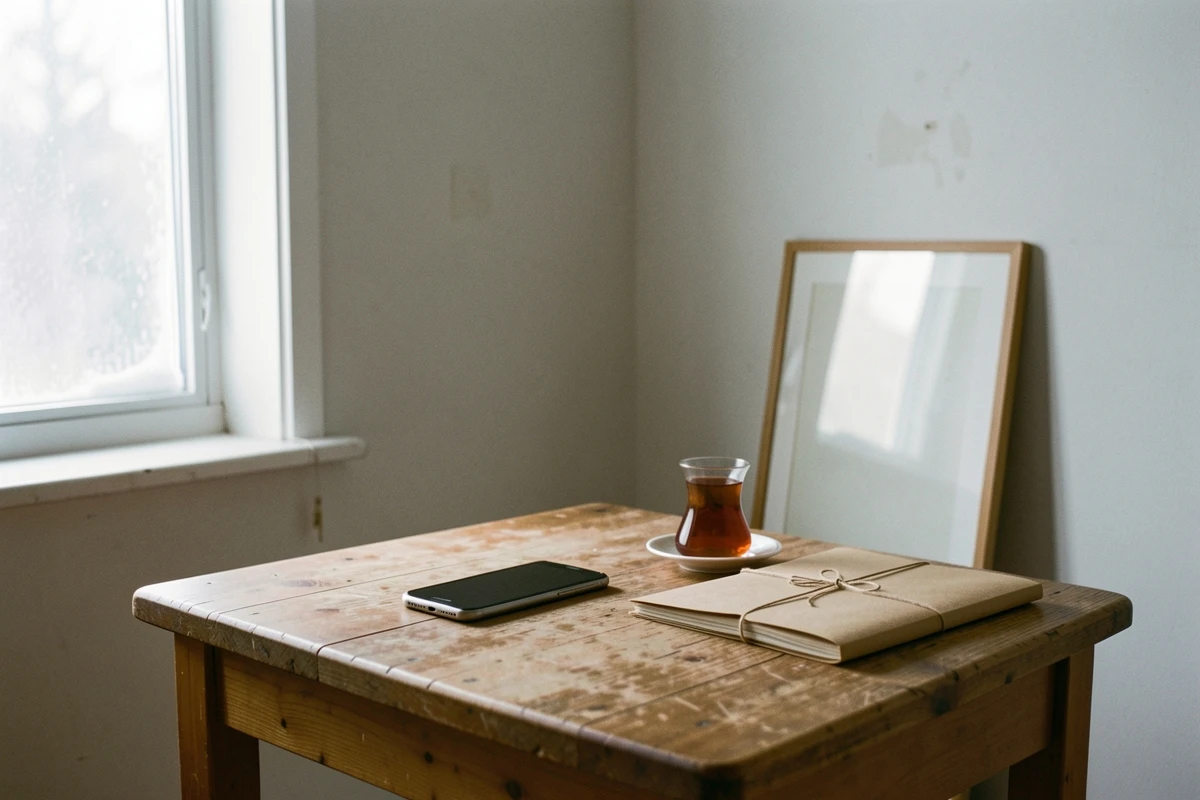
You wake up and reach for your phone before your eyes are fully open. Email first. Then your online immigration account. Then the Telegram group where everyone is discussing the latest Express Entry draw. Nothing has changed. Tomorrow you will do the same thing again. This is what waiting for Canadian PR anxiety often looks like: not one big moment of fear, but a quiet, daily loop that slowly puts your whole life on hold. This article is not about the legal side of your file; that is a job for a licensed immigration lawyer or consultant. It is about what to do with your mind and your life while you wait.
Most people cope with bad news better than with uncertainty. Bad news can be understood, grieved and planned around. An open question cannot. So the mind keeps running scenarios: what if I get it, what if I don't, what if the rules change next month.
The road to permanent residence in Canada tends to have several layers of waiting. First you wait for your score to reach a draw cut-off that keeps moving. After an invitation, you wait for your application to be processed. Somewhere in the middle, your work or study permit may be getting closer to its end date. Each stage brings a new wait, and none of them comes with a firm finish line.
What makes it heavier is how little control you have. You studied, sat the language test, gathered documents and filled in every form. Now the decision sits with a system you cannot see or talk to. For someone who is used to solving problems by working harder, that loss of control can feel worse than the wait itself.
Some worry is completely normal here. But if several of these sound familiar, the wait may be taking up more space than it should:
None of this means you are weak. It means your nervous system has been on alert for a long time and is tired. If the anxiety has spread beyond the immigration file, you may also find anxiety after immigration useful.
One of the hardest effects of a long wait is that life starts to feel suspended. Imagine you have been working in Canada for two years and your apartment still looks temporary. No frames on the wall, no plants, because "I don't know if I'm staying." Friendships stay half-built too, in case you have to leave.
The problem is that time keeps passing even while you are on pause. The months you spend waiting for life to begin are part of your life. If you spend all of them in the waiting room, even good news can arrive with a sense that something was lost along the way.
This doesn't mean making big decisions carelessly. Some choices really do depend on your status. But many things don't: new friendships, exercise, learning a skill, making your home a place where you actually feel comfortable. Those don't need to wait.
Trying to stop checking completely rarely works and often makes anxiety louder. Pick a set time instead, say once a day after lunch. If the urge comes at other times, tell yourself, "Not yet, it's not time." Mute groups that mostly spread worry. Your file does not move faster because you read about someone else's.
Take a sheet of paper and draw two columns. In one, write what is in your hands: complete documents, following up through the proper channels, a backup plan if your permit runs out. In the other, write what is not: processing time, cut-off scores, policy changes. Put your energy into the first column. When your mind drifts to the second, notice it and set it aside.
Some people do better with a daily "worry time." For fifteen minutes, you write down every scenario on your mind. When the time is up, close the notebook. If worries show up later, jot a short note and save it for tomorrow. Over time your mind learns it doesn't have to stand guard all day.
It sounds strange, but thinking through the worst case can calm you down. When you know what options you would have if the answer were no, or if your permit expired, that possibility stops being a shapeless dark cloud. For the legal details of that plan, talk to a licensed professional, not to rumors in online groups.
Long-term anxiety shows up in sleep, appetite and tight muscles. A daily walk, even in a cold Canadian winter, regular sleep and less tea or coffee in the evening are not small things. When your body is a little calmer, your mind is less drawn to the worst case.
You are rarely the only one waiting. There are parents in Iran who ask "Any news?" on every video call, a partner whose work or studies are tied to the same file, and maybe a trip home for Nowruz, the Persian New Year in March, that you can't plan yet. All of this adds weight.
It can help to agree with your family that they won't bring up the file every time, and that you will tell them when there is news. That boundary is not disrespect; it protects the relationship. With your partner, talk about how each of you handles uncertainty. One may want to talk about it constantly, the other may want it never mentioned. Neither is wrong. You just need to find a way that keeps the wait from coming between you.
If your sleep has been poor for weeks, focusing at work or in class has become hard, you no longer enjoy things you used to, or you are having panic attacks, it is time to talk to a professional. You don't need to wait until things get really bad.
In Canada, the first step is usually a family doctor or a walk-in clinic, depending on your province and coverage. If you need to see a psychiatrist in person, need medication, or are in an emergency, local in-person care is the right choice. Many people, though, also want to talk about this pressure in their own language, with someone who understands what it means to wait for one email while your family worries back in Iran. Online therapy in Farsi can work alongside local options here. For a broader look at your choices, see our page on Farsi-speaking therapy for Iranians in Canada.
NikMind's therapists are based in Iran and all sessions are online. You can read about the clinic's approach on Dr. Meysam Nikdanesh's page, and when you're ready, book a pre-consultation to be matched with a therapist who fits your situation.
If you are having thoughts of harming yourself, call 911 or your local emergency number right now.
The email will come, sooner or later. Until then, don't keep your life in the waiting room. Buy the plant, call the new friend, and check your file once a day. Just once.
Yes. Long uncertainty is hard for most people. If your sleep, work or relationships have been affected for weeks, it is worth talking to a professional.
Many people feel calmer with one fixed time a day. Constant checking usually feeds anxiety and does not bring news any sooner.
It can help with the anxiety and uncertainty of the wait. For emergencies, medication or in-person psychiatric care, use local services in Canada.
No. Legal questions about your application are for a licensed immigration lawyer or consultant. A therapist helps you cope with the pressure.

NikMind Editorial Team
Articles here are for general information and do not replace an assessment session with a psychologist or psychiatrist
Fees, late shifts, deadlines and loneliness: how burnout shows up in international students in Melbourne, and where to find support.
Years of waiting, postponed plans and dread over every letter: how to cope with the uncertainty of a pending green card without putting your life on hold.

Crowded inspections, rejected applications and back-to-back moves: how housing insecurity in Sydney affects you, and what helps.