
FIFO Work Mental Health: Looking After Yourself and Your Family in Perth
How fly-in fly-out rosters affect sleep, mood and relationships, the warning signs to watch for, and what helps both the worker and the family at home in Perth.
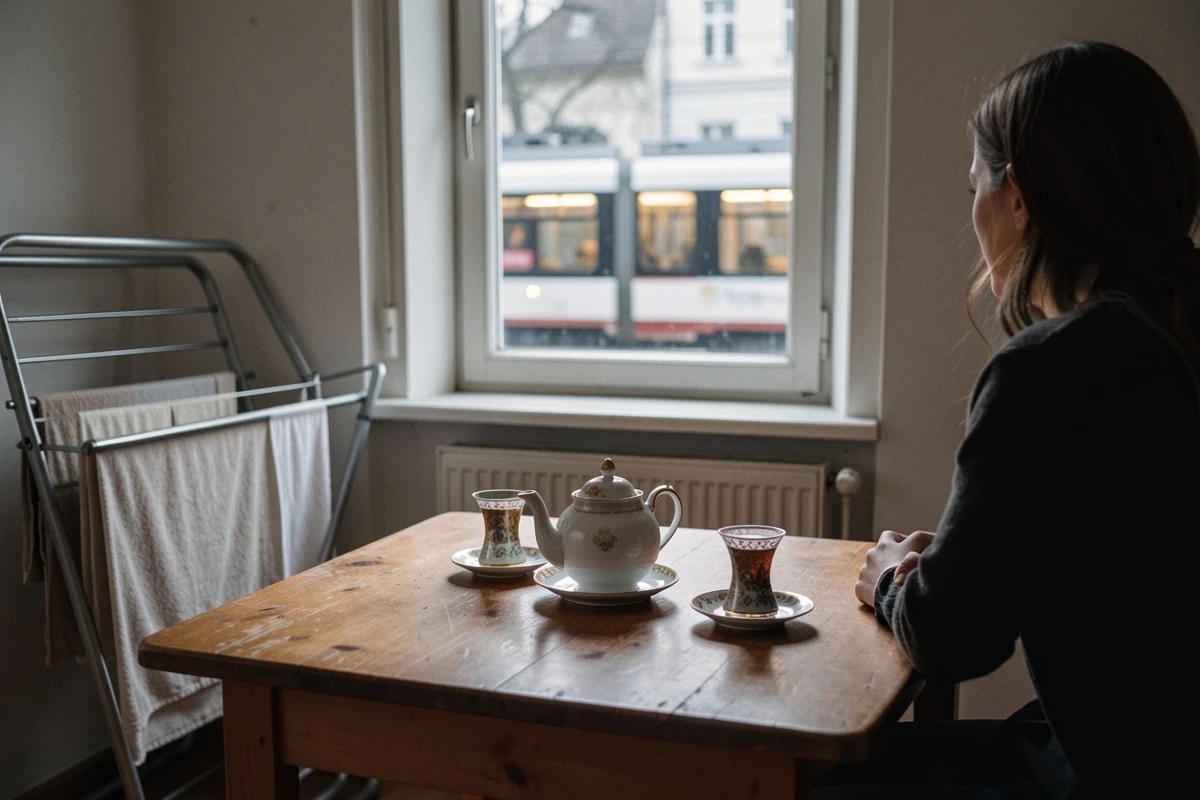
Picture this: you and your partner moved to Germany two years ago. One of you came on a job contract, leaves early every morning and spends the day with German colleagues. The other is still in language classes, waiting for an appointment at the immigration office or a decision on a foreign degree, and spends long hours alone in a small flat. The fights start over small things: dishes, money, weekend plans. But underneath most of them is the same sentence: "You have no idea what this is like for me." If you have ended up searching for something like marriage counseling germany farsi, you are probably somewhere near that point. This article looks at the specific pressure life in Germany puts on Iranian couples, what support exists locally, and when online sessions in Farsi make sense.
Moving countries does not just change your address. It reshuffles almost every role you had as a couple. Back in Iran, each of you had work, friends, family and a sense of where you stood. In Germany, at least in the first years, much of that gets rebuilt from scratch, and rarely at the same speed for both partners.
A few features of German life shape this strain. For most Iranians, German is a brand-new language, and it can take months or years before it feels comfortable at work or on the phone. A lot of official business runs on letters and fixed appointments, so each new envelope can bring a fresh wave of worry. Winters are short on daylight and often grey, which wears on anyone used to Iranian sunshine. If these differences are still hitting you hard, our piece on culture shock in Germany may help.
None of this breaks a relationship on its own. But when it piles up and there is no space to talk about it, the exhaustion of two people tends to come out as arguments.
A very common pattern among couples who move to Germany is an uneven start. Usually one person came for work or study and the other came along. The first has a routine, colleagues and a sense of progress almost from day one. The second may be out of work for a while, may still be waiting for a degree to be recognised, or may have a residence permit tied to the partner's.
Both positions are hard, just in different ways:
When these feelings stay unspoken, they leak out as sarcasm, silence, or fights about side issues. A big part of couples work is helping each of you hear the other's experience without jumping straight into defending yourself.
Finding a flat is not easy in many German cities, and plenty of newly arrived couples spend their first year in a small or temporary place. With no friends or relatives nearby, your partner may be the only person you talk to every day. That closeness can strengthen a relationship, but it also overloads it: without meaning to, you expect one person to be your companion, best friend, family and counselor all at once.
Language adds another layer. If one of you picks up German faster, outside tasks slowly drift onto that person: calls with the landlord, doctor's appointments, daycare, government offices. The other can start to feel like a child who needs help with everything. Nobody is to blame here. It is a pattern that formed quietly, and it can be changed on purpose.
A few small things that usually help:
Couples and family counseling in Germany comes in a few forms. Many cities have family and marriage counseling centres, often run by charities, churches or the local authority. Private therapists also offer couples therapy. These are real, valuable options, and if you are both comfortable in German, they can be a very good choice.
A few things to keep in mind. Most of these services are in German, and finding a Farsi-speaking counselor in your own city is usually not simple. Waiting times can be long. Insurance coverage depends on your insurer and the type of service, so it is worth asking before you start.
In some situations local, in-person help should come first:
For many couples the issue is not just knowing the language. Talking about fights, jealousy, in-laws or intimacy in a second language is hard. Even with good German, most people find feelings come out more easily in their mother tongue. There is also the cultural side. With a therapist who knows Iranian culture, you do not have to explain taarof (the ritual politeness where people refuse and insist out of courtesy), why a mother-in-law's opinion carries so much weight, or why going back for Nowruz, the Persian New Year, turns into a debate every spring.
Online sessions in Farsi tend to fit when:
NikMind's therapists are based in Iran and all sessions are online. The time difference is small: Tehran is about two and a half hours ahead of Germany in winter and about one and a half hours ahead in summer, so an evening slot after work is usually easy to find. You can read more on our page for Farsi-speaking psychologists for Iranians in Germany, and our guide to marriage counseling for Iranians abroad covers how online couples sessions work.
Often one partner is more ready than the other. The other may feel counseling means failure, or worry the therapist will take sides. Those worries are normal and worth talking about, rather than pushing past them.
You can start with individual sessions yourself. Sometimes when one person understands and adjusts their own reactions, the mood at home settles and the other becomes curious. Avoid raising counseling in the middle of an argument. Pick a calm moment and say the relationship matters to you and you want to make it better together.
You do not need to wait for long silences or talk of separation. Couples work is usually easier the earlier it begins. Arguments that repeat the same pattern, long cold spells, feeling lonely next to your partner, or thinking about separation a lot are all good reasons to get support.
At NikMind, the first step is a pre-consultation: you talk through your situation and are then referred to a therapist suited to couples work. If you would like to know who you might be working with, have a look at our Farsi-speaking therapists.
Moving to Germany was a big decision for both of you. It makes sense that your relationship, like each of you, needs time to settle into a new country. Asking for help is not a sign of weakness. It shows the relationship is worth the effort.
Most local centres and therapists work in German, and some in English. Finding an in-person Farsi-speaking counselor is not easy in every city, so online sessions in Farsi are one option.
Yes. You can begin with individual sessions. Sometimes one person changing how they respond shifts the whole pattern, and the partner joins later.
Tehran is about two and a half hours ahead of Germany in winter and about one and a half hours ahead in summer. An evening slot after work usually works for both sides.
If there is violence, threats, or a risk of someone being harmed, local help comes first, and in immediate danger call 112. Needing an in-person psychiatric assessment is another reason to go local.

PhD in Clinical Psychology, psychotherapist and founder of NikMind Clinic. Articles here are for general information and do not replace an assessment session with a psychologist or psychiatrist

How fly-in fly-out rosters affect sleep, mood and relationships, the warning signs to watch for, and what helps both the worker and the family at home in Perth.

Houses, cars and college admissions: how comparison in LA's Iranian community affects self-esteem and family, and how to step back without cutting ties.

In LA's large, close-knit Iranian community, family and gossip easily find their way into a marriage. Signs it's time for couples therapy and how to begin.