
Regret Moving to Germany? Where It Comes From and What Helps
Why some Iranians regret moving to Germany, what that feeling is telling you, and how to work with it without rushing a decision.
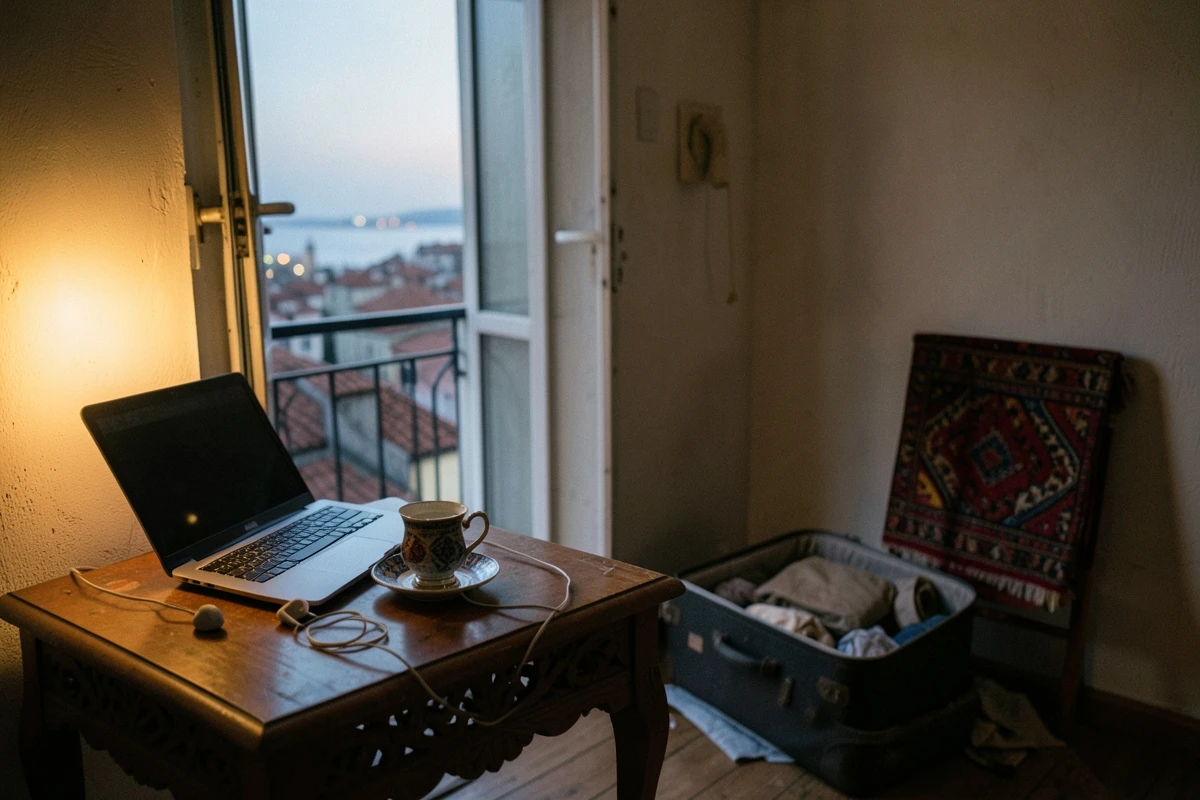
For many Iranians, Istanbul is the first city they live in outside Iran. Some come for work or study, some to settle, and many see it as a stop on the way to somewhere else. The city feels familiar in a lot of ways, which can make it surprising when life there turns out to be hard. If you have typed Iranian therapist Istanbul into a search bar, you are probably weighing a few things at once: a Turkish-speaking or Farsi-speaking therapist, what your insurance covers, and whether online sessions are enough. This guide lays out the options so you can pick what fits.
From a distance, Istanbul looks a lot like home. Tea is everywhere, plenty of words sound familiar and Tehran is a short flight away. Because of that, many people expect to settle in quickly. When it doesn't happen that way, they are caught off guard and often blame themselves.
The everyday pressures add up. Residence permits need regular renewal, with paperwork, appointments and waiting each time. Rent and living costs can change fast. Work may be unstable, or paid in a currency tied to another country. And Turkish is always one step ahead of you at the immigration office, the hospital and with the landlord.
There is also a quieter pressure: living on hold. Many Iranians in Istanbul are waiting for a visa to another country, for an admission letter, or for things in Iran to become clearer. Picture being a year in, half your things still in a suitcase, checking your inbox every morning for news that doesn't come. You don't want to put down roots, but you can't leave either. Living in that holding pattern is tiring, and over time it shows up in sleep, focus and relationships.
Being close to Iran cuts both ways. Family can visit more easily, but news from home lands in the middle of your day with no buffer. The time difference is small, so a video call with your mum every evening is easy. Sometimes that steadies you; sometimes it keeps you from fully living where you are.
Turkey has both public and private mental health services. Public and university hospitals usually have psychiatry departments, and Istanbul has many private psychology clinics and practices, especially in the central districts.
Which of these you can use depends mostly on your residence status and insurance. People in formal employment are usually covered by Turkey's public insurance system (SGK). Many residence permit holders have private health insurance instead, and mental health coverage varies a lot between plans. Before booking, ask your insurer exactly whether psychiatrist visits or psychotherapy sessions are covered.
In the public system the focus tends to be on psychiatrist appointments, and regular long-term talk therapy is not always easy to get. The private sector gives you more choice, but finding the right therapist and checking their training and license is up to you.
Most therapists in Istanbul work in Turkish, and some in English. If your Turkish is strong, or you speak Azerbaijani Turkish and get by well in Istanbul Turkish, this matters less. But talking about feelings in a second language is a different skill. Plenty of people can shop, rent a flat and handle paperwork in Turkish, then find themselves short of words when they try to describe fear, shame or grief. The real issue often goes unsaid.
Because of the Iranian community, there are some Farsi-speaking therapists in Istanbul, but not many, and their schedules fill up. If you see one, it is reasonable to ask whether they are licensed to practise in Turkey and what they specialise in. Keep in mind that the Iranian community there is smaller than it looks. Some people worry about running into their therapist at a party or a language class. That worry is normal and worth raising at the start.
Online sessions work well for a lot of situations, but not all of them. In these cases, start with local, in-person help in Turkey:
For many common struggles of life in Istanbul, online therapy in Farsi is a serious option: ongoing worry, immigration stress and residence permit pressure, loneliness, relationship and family problems, homesickness and that feeling of being stuck in limbo. A few reasons it works:
NikMind is based in Tehran. All of our Farsi-speaking therapists are in Iran and sessions are held online. We don't have an office or resident therapists in Turkey. If you need in-person visits or medication, you would see a local psychiatrist alongside your online sessions, and the two can work together.
For a short overview of these options for Istanbul residents, see our page on Farsi-speaking therapy for people in Istanbul.
You don't need to wait until things feel bad enough. Many people hold off for months, telling themselves it will pass once the visa comes through or work settles down. Sometimes it does, sometimes it doesn't. One short conversation can help you see what is actually weighing on you.
If you are not sure which therapist or kind of session suits you, start with a pre-consultation. We talk about your situation and then refer you to a therapist who fits what you need. If it turns out that in-person help in Istanbul would serve you better, we will tell you that plainly.
Istanbul might be your home for years or just a stopover. Either way, how you are doing matters now, not only once you reach the next destination.
Yes, but not many, and they can be hard to book. Online sessions with a Farsi-speaking therapist based in Iran are another option.
It depends on your plan. Public insurance and private plans cover mental health differently, so check with your insurer before you start.
For many issues such as anxiety, loneliness, immigration stress and relationship problems, yes. In an emergency or if you need an in-person psychiatrist, local care comes first.
With online sessions, usually not. You can keep seeing the same therapist after you move.

NikMind Editorial Team
Articles here are for general information and do not replace an assessment session with a psychologist or psychiatrist

Why some Iranians regret moving to Germany, what that feeling is telling you, and how to work with it without rushing a decision.

Going home after years abroad can feel strange and lonely. Here is what reverse culture shock looks like and how to get through the first months.

Migration changes the roles of parents and children. Learn where the generation gap comes from and how family therapy in Farsi can help.