
Iranian Therapist Istanbul: Local Options, Language and Online Therapy in Farsi
A plain guide for Iranians in Istanbul: local mental health care, Farsi-speaking therapists, and when online sessions in Farsi are a good fit.

Say you have been in Germany for two years. You finished your language course, found a job and fought your way into a flat. From the outside, things are in place. Then one November afternoon, with the sky dark by five and another stack of official letters in the mailbox, a stubborn thought comes back: "Did I make a mistake?" If you regret moving to Germany some days, you are far from alone. Many Iranians feel this at least once. It doesn't always mean the decision was wrong, but it is worth taking seriously and working out where it comes from.
Regret rarely has a single cause. Small and large pressures pile up until one day they all weigh on you at once. Here are some of the usual ones.
You learned German and passed the exam, yet in work meetings you are still half a step behind. You catch the joke a second too late and sweat through phone calls with government offices. For someone who was articulate and confident back home, feeling like a faded version of yourself is hard to live with.
Appointments at the immigration office, endless forms, letters you read with a dictionary open and deadlines you cannot miss. Each one is manageable. Together they create a low hum of worry that wears you down.
Many people arrive with degrees and years of experience, then wait for their qualifications to be recognised or take jobs below their skills. This is not only about money. It hits your sense of who you are: "I was someone in Iran. Here nobody knows."
Long winters and short days affect many people's mood. On top of that, friendships in Germany often form slowly. Colleagues are polite, but after work everyone goes home. If you grew up with drop-in visits and phone calls for no reason, that distance can feel like coldness. Our article on culture shock in Germany looks at these differences in more detail.
Before leaving, many people pictured Germany as orderly, safe and calm. Part of that picture is true. But nobody posts photos of lonely Saturday nights, of Nowruz (the Persian New Year in March) spent far from family, or of the exhaustion of building a whole life from scratch.
Not necessarily. Moving abroad means losing things even when it was the right call: your language, your standing, nearby family, the streets you grew up in. Part of what feels like regret is really grief, the natural sadness of leaving things behind. Grief means something mattered to you. It doesn't mean your path was a mistake.
Memory plays tricks too. When life here is hard, your mind serves up warm evenings and crowded dinner tables from Iran, and quietly drops the reasons you left. That comparison isn't fair, because you are measuring a hard day here against your best memories there.
One question helps: what do you miss, and what are you tired of? If the answers are things like "a close friend" or "work I was good at", you may be able to rebuild some of that where you are. If the answer is "my parents, who are getting older", that is a different conversation, one to have honestly with yourself and your family. Our article on regret after moving abroad covers the line between normal regret and a warning sign.
Sometimes "I made a mistake" is covering something else. If for several weeks you have felt low or numb most days, lost interest in things you used to enjoy, slept badly, or felt there is no hope ahead, you may be dealing with more than homesickness. In that state, deciding whether to stay or go gets harder, because a low mood paints everything darker than it is.
If you are having thoughts of harming yourself, call emergency services now. In Germany and the rest of Europe the number is 112.
The goal isn't to silence the regret or force yourself to look happy. It is to listen to it and see what is within your reach.
Some people think it through and decide to go back, or move to another country, and that can be a healthy choice. Moving abroad isn't an exam you must pass at any cost. But there is a difference between a decision made with open eyes and an escape driven by exhaustion. A useful question: if I felt a bit better, would I still want this?
If you can't answer that, this is exactly where talking to a professional helps. Not so someone else decides for you, but so you can tell apart the voice of grief, the voice of fear and what you actually want.
In Germany, if you have statutory health insurance, you can usually start with your GP or book an initial consultation with a psychotherapist directly. The statutory insurance appointment service on 116117 can help you find one. Even so, waiting lists for regular therapy are long in many cities, and Farsi-speaking therapists are hard to find. What is covered depends on your insurance. Our Iranian therapist in Germany page sets out these options side by side.
If your symptoms are severe, you need medication, or it is an emergency, in-person care in Germany comes first. But for working through regret, the grief of migration, the stay-or-leave question and day-to-day pressure, online therapy in Farsi makes sense. You don't have to hunt for the German word for a heavy heart, or explain why one call from Tehran can unsettle your whole week.
NikMind is based in Tehran and all of our therapists are in Iran. Sessions are online, and we don't have an office in Germany. You can read about Dr. Meysam Nikdanesh and the team, or if you are not sure where to begin, book a pre-consultation and we will work out together what kind of support fits you.
Yes. Many immigrants go through a period of regret, especially in the first years. It doesn't automatically mean the decision was wrong.
If you have felt low most days for several weeks, lost interest in things and your sleep or energy has changed, talk to a professional. Only a proper assessment can tell.
There is no single right answer. It helps not to decide during a crisis, and to first get clear on what you miss and what you are tired of.
There are some, but they are few and often have waiting lists. Online therapy with a Farsi-speaking therapist based in Iran is another option.

NikMind Editorial Team
Articles here are for general information and do not replace an assessment session with a psychologist or psychiatrist
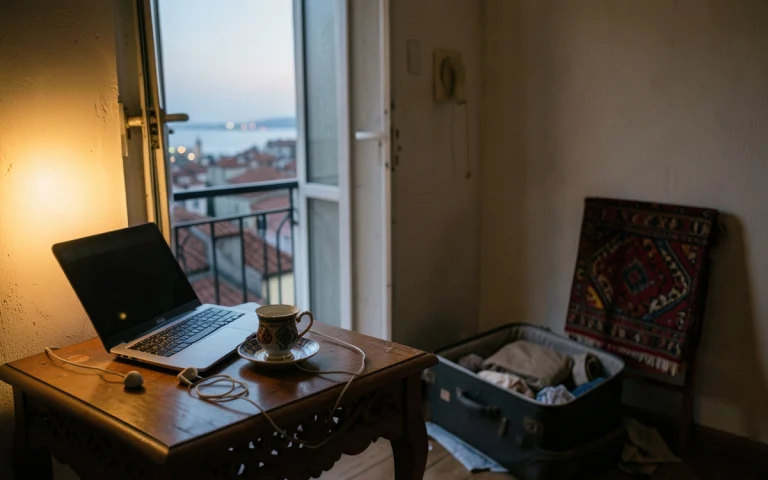
A plain guide for Iranians in Istanbul: local mental health care, Farsi-speaking therapists, and when online sessions in Farsi are a good fit.

Going home after years abroad can feel strange and lonely. Here is what reverse culture shock looks like and how to get through the first months.

Migration changes the roles of parents and children. Learn where the generation gap comes from and how family therapy in Farsi can help.