
Reverse Culture Shock Returning Home to Iran: When Going Back Is Hard Too
Going home after years abroad can feel strange and lonely. Here is what reverse culture shock looks like and how to get through the first months.

For many Iranians, Dubai is the closest place abroad. The flight is short, Tehran is only half an hour behind, and you hear Farsi in almost every neighbourhood. But that closeness can make asking for help harder, not easier. If you've typed "Iranian therapist Dubai" into a search bar, a few questions probably came up right away. Where do I go? Will my insurance cover it? What if I run into someone I know at the clinic? This guide covers your options: local care in the UAE, Farsi speaking therapists based in Dubai, and online sessions in Farsi, plus when each one makes the most sense.
Iranians in the UAE have very different stories. Some come from families who settled decades ago. Some moved for a job or to start a business. Others see Dubai as a stop on the way to somewhere else.
The pressures are often shared, though. Residency in the UAE is usually tied to employment or a business, so losing a job can put your whole life in question. Long working hours, summer heat that keeps you indoors for months, and the feeling that everyone around you is racing ahead slowly wear down sleep and patience. Many people have left parents or siblings in Iran, and every piece of news from home lands right in the middle of their day.
Being so close to Iran has another side. People travel back and forth often, and the line between "here" and "there" gets blurry. For some that's comforting. For others it means never fully settling in either place.
In Dubai, most mental health care is offered privately: psychology clinics, medical centres and hospitals with psychiatry departments. Therapists and doctors practising in Dubai need a licence from the local health authority. Before you book, it's reasonable to ask the clinic whether the therapist is properly licensed.
Health insurance is mandatory for residents in Dubai and is usually provided by the employer, but mental health cover varies widely between plans. Some include psychiatrist visits or a set number of therapy sessions, some only with a doctor's referral, and some not at all. Depending on your plan, call your insurer or HR before you start and ask exactly what's covered.
Because the Iranian community is large, you can find Farsi speaking psychologists in Dubai. Their numbers are still limited, and their schedules can be full. Some people are perfectly comfortable with an English speaking therapist, and that's a good option if you can talk about feelings easily in English.
A common worry among Iranians in Dubai goes like this: "What if my therapist knows me? What if I see them at a party?" The community is big, but the networks overlap. Colleagues, business partners, neighbours and family friends may all know each other.
A professional therapist is bound by confidentiality wherever they work. Still, feeling safe isn't only about rules. If you're worried about bumping into your therapist at a gathering, or being seen walking into a clinic, that worry alone can stop you from opening up. That's why some people prefer to work with someone outside their social circle.
A few simple questions on your first call can help: Where are records kept? Who can access them? If insurance pays, what information is shared with the insurer? Asking isn't rude. It's your right.
Online sessions don't fit every situation. In these cases, start with local care:
For many common issues, such as work stress, the strain of living away from home, homesickness, relationship problems or anxiety that hasn't reached crisis point, online sessions can work well. A few reasons:
One practical point: some voice and video calling apps are restricted in the UAE. Before your first session, test the platform you'll be using so the call doesn't drop halfway through. Find a quiet spot too, such as a room where you can close the door. For more on what to expect, read how an online therapy session in Farsi works.
If you're not sure whether in-person or online care is better for you, run through a few questions: Am I in immediate danger? Might I need medication? What does my insurance require? In which language can I really say what's on my mind? The answers usually point the way.
At NikMind, our therapists are based in Iran and all sessions are online and in Farsi. We don't have an office or resident therapists in the UAE. If online therapy fits your situation, you can meet our Farsi speaking therapists, read about Dr. Meysam Nikdanesh, or book a pre-consultation. In that first conversation, we'll look together at whether online sessions suit you or whether local care should come first.
Yes, a number of Farsi speaking therapists practise in Dubai because of the large Iranian community. There aren't many, though, and appointments can be hard to get.
It depends on your plan. Some plans cover therapy, some only with a doctor's referral, and some not at all, so check with your insurer before you start.
Usually not. Insurers generally cover only clinicians licensed in the UAE.
No. Dubai is only 30 minutes ahead of Tehran, so finding a convenient time is usually easy.
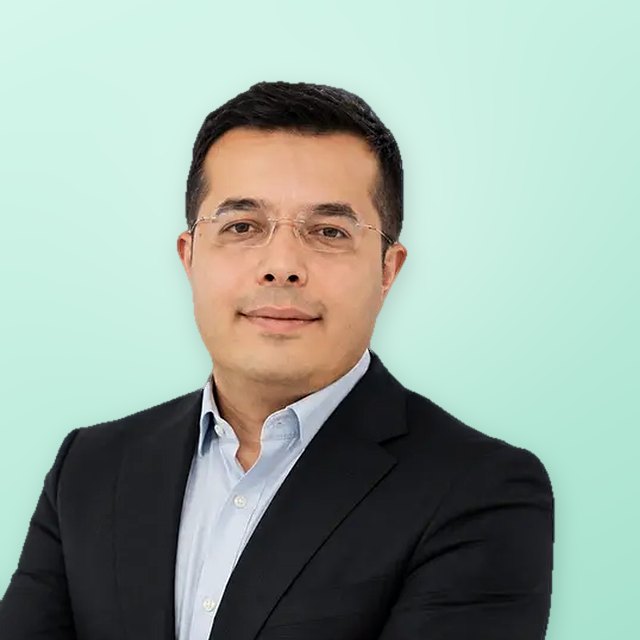
PhD in Clinical Psychology, psychotherapist and founder of NikMind Clinic. Articles here are for general information and do not replace an assessment session with a psychologist or psychiatrist

Going home after years abroad can feel strange and lonely. Here is what reverse culture shock looks like and how to get through the first months.

Migration changes the roles of parents and children. Learn where the generation gap comes from and how family therapy in Farsi can help.

Residency, work, language and money: the four big sources of immigration stress, and simple, practical tools to keep them from wearing you down.