
Culture Shock in America: What Surprises Iranians and How to Adjust
From an unanswered "How are you?" to tipping and work culture: what culture shock in America looks like for Iranians, and how to cope.

You have been in the United States for three years. Maybe you came to study, maybe for work or to join family. On paper things are moving forward: you have a job, a car, and your photos look good online. Then one night, driving back from the supermarket to a quiet apartment, a question lands: "Is this the life I wanted?" If you have ever typed regret moving to USA into a search bar late at night, you are not alone; many Iranians in America know that feeling well. The feeling usually comes from the gap between the America you imagined and the one you found. Understanding that gap comes before any big decision.
Many of us grew up with a picture of America built from films, TV shows and stories from relatives who live "over there". It is a picture of opportunity, freedom and comfort, and some of it is true. What the picture almost never includes is the bills, the loneliness and the paperwork.
The US offers real opportunity, but its safety net is usually thinner than in many European countries. Health insurance is often tied to your job or your university, so losing a job is not only about income. The sense that "if I fall, nobody will catch me" sits under the surface for many people and builds a low, constant anxiety you slowly stop noticing, even as it wears you down.
In much of the country, little happens without a car. Home to car, car to work, and back again. There is no evening stroll down a busy street and no bumping into a neighbour by chance. For someone used to city life in Iran, that quiet can turn into loneliness fast.
Americans are often warm and easy to talk to. That first warmth, though, does not always turn into close friendship. "We should grab coffee sometime" can simply be a polite phrase, a bit like taarof, the Persian habit of courteous offers not meant literally. If you do not know that, you may decide it is your fault. Someone who always had a full house in Iran can wait months here for a real invitation.
For many Iranians in the US, the problem is not only distance. Travel itself is complicated. Visa and travel restrictions can make it hard for parents to visit, and you may not always be able to travel to Iran and come back without worry. Students on single-entry visas sometimes go years seeing family only on a phone screen. Weddings, birthdays and even final goodbyes are missed, and for many people that is the heaviest part.
Depending on where you live and the time of year, Tehran is seven and a half to eleven and a half hours ahead in most states. Your early morning is your family's evening, and your night is their next morning. Plenty of people end up sleeping with their phone by the pillow in case news arrives from home.
Not necessarily. Every move has a gap between expectation and reality, but in America it tends to be wider because the expectations were bigger. If your mental picture was "everything is better there", even ordinary hardship can feel like failure.
Part of the feeling is grief, a normal sadness for your language, your standing, your friends and being near family. Part of it is comparison. The people you follow online post new houses, trips and promotions, not lonely nights and visa worries. Measure your real life against other people's highlight reel and you will always feel behind.
Ask yourself what exactly you regret. America itself? The city you live in? Your job? The loneliness? Often the answer is something specific that can change without packing up your whole life.
Sometimes regret is the surface of something deeper. Take it seriously if:
These can be signs of depression, and talking to a professional sooner rather than later is a good idea.
If you are having thoughts of harming yourself, call 911 now or go to your nearest emergency room.
Take a sheet of paper and draw two columns: what I thought America would give me, and what it has actually given me. Some boxes will stay empty, and others will hold things you never expected. The point is not to talk yourself into staying. It is to see the picture more fairly.
In a city where everyone drives everywhere, friendship does not happen by accident, so plan for it. Find one weekly activity: a class, a sports team, volunteering, or a regular get-together with a few other Iranians. Repetition builds friendship far more than one exciting meetup.
Instead of scattered, anxious calls, pick one regular slot each week, such as your Saturday or Sunday morning, which is their evening. Knowing you will hear each other at a set time eases the anxiety of not knowing.
If you are thinking of going back, factor in your immigration status. Leaving the US can affect your visa or residency and may make returning difficult, so speak with an immigration attorney before you decide. Today's regret should not replace a considered decision tomorrow. Our piece on regret after immigration covers the stay-or-go question in more depth.
In the US, access to a therapist depends heavily on your insurance. If you are insured, you can usually find a therapist through your plan or your primary care doctor. If you are a student, many universities run a counselling centre. If you are in crisis or need to see a psychiatrist in person, local care comes first.
Finding someone who speaks Farsi and understands your world is not easy everywhere, though. Southern California has more options, many other states far fewer; our guide to Iranian therapists in the USA compares them. Online sessions in Farsi can fill that gap. NikMind is based in Tehran and all sessions are online. Learn more on our page for Farsi-speaking psychologists for Iranians in the USA, or book a pre-counselling session to talk about where you are and get matched with a therapist who fits.
Regret does not have to end in a final verdict. You may find you are tired of your city, not the country. You may realise you are grieving your family and need time and support. Or, after real reflection, you may decide to change course. Whatever it turns out to be, make the choice with a calmer mind, not on the worst night of the year.
Yes. Many Iranians feel this in their first years. It usually comes from the gap between expectations and reality, loneliness and distance from family, and does not automatically mean the move was wrong.
Avoid deciding on a bad day. Check with an immigration attorney how leaving would affect your visa or residency, and weigh what you would gain and lose.
Southern California has more options, while many other states have few. Online sessions in Farsi are one way to fill that gap.
If your sleep or appetite has been off for more than two weeks, nothing feels enjoyable and you are avoiding people, speak to a professional.

PhD in Clinical Psychology, psychotherapist and founder of NikMind Clinic. Articles here are for general information and do not replace an assessment session with a psychologist or psychiatrist

From an unanswered "How are you?" to tipping and work culture: what culture shock in America looks like for Iranians, and how to cope.

Canadian politeness, long winters and the hunt for "Canadian experience": the quiet differences that catch Iranians off guard, and how to adjust.
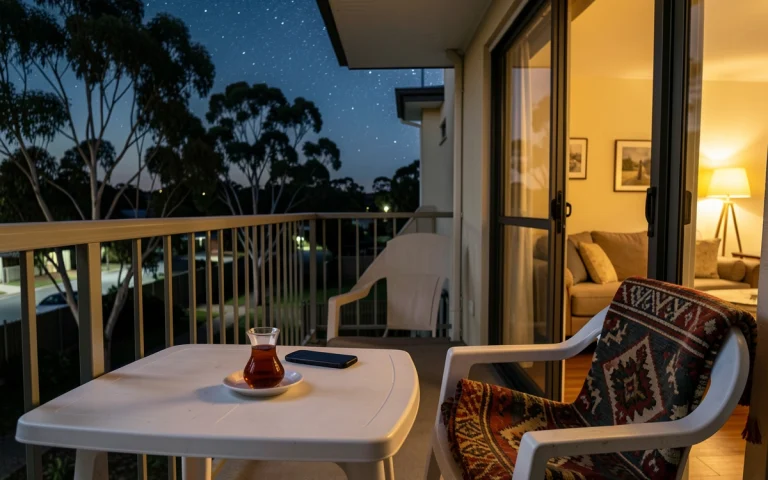
Distance, upside-down seasons and life on a temporary visa: why you might regret moving to Australia, and what to try before deciding to go back.