
Culture Shock in Canada: Politeness, Long Winters and Work Culture
Canadian politeness, long winters and the hunt for "Canadian experience": the quiet differences that catch Iranians off guard, and how to adjust.
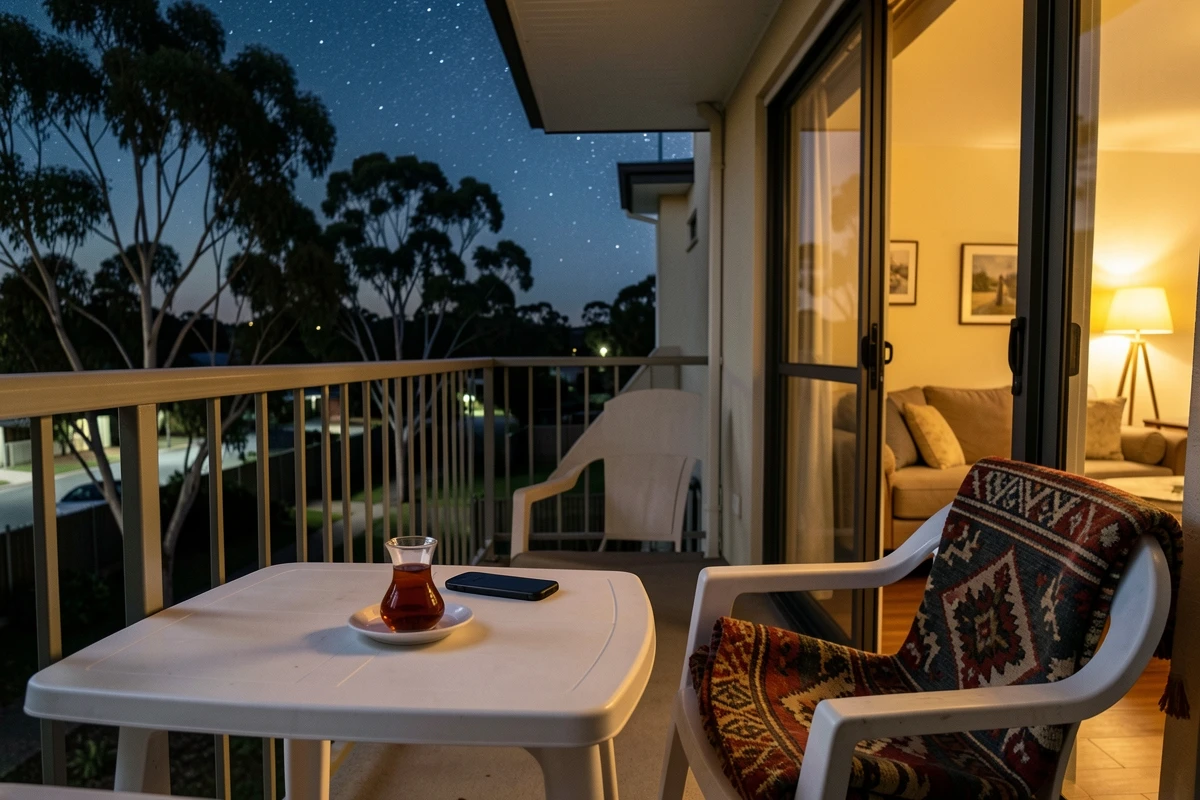
You have been in Australia for a year and a half. The sun is out, the streets are clean, people are friendly, and from the outside your life looks like the one you planned. Then one night a video call with your mum ends, you realise it is still afternoon in Tehran and nearly midnight where you are, and a thought settles in: "I came all this way for what?" If you regret moving to Australia, or at least have days when it feels that way, you are far from alone. Many Iranians in Australia feel it, including people who look settled and successful. The feeling does not automatically mean you made the wrong call. It does deserve a closer look.
Regret takes a different shape in every country. In Australia it usually comes back to one word: distance. Not only from Iran, but from almost everywhere.
Getting from Australia to Iran is a long trip. There is usually no direct flight, the route has several legs, and tickets are not cheap. A visit home turns from a simple decision into a project. When news arrives that a grandparent is unwell or a cousin is getting married, you know you cannot fly over for the weekend. The quiet fear of "if something happens, I won't make it in time" stays in the background for many people.
Depending on the city and the season, Australia is between four and a half and seven and a half hours ahead of Tehran. When you finish work, your family is in the middle of their day. When they gather late at night, you are asleep. Calls become short and scheduled, and the aimless midday chats you used to have simply disappear.
Nowruz, the Persian New Year that marks the first day of spring, lands in early autumn in Australia. Yalda, the winter solstice night of pomegranates and poetry, falls in early summer. It sounds minor, but so many memories are tied to the season. A Haft-Sin table without the smell of spring reminds you how far away you are.
Many people arrive with degrees and years of experience, then wait on skills assessments or take jobs below their level. Some live in a city or region because of visa conditions rather than personal choice. A city like Perth is calm and sunny, but it is far from the rest of the country and has a smaller Iranian community. When you are far from Iran and far from the big centres, feeling left behind comes easily.
Until permanent residency comes through, life has a provisional feel. You hold off on long-term plans, and every change at work or in the rules makes you nervous. That long wait is exhausting, and exhaustion often shows up dressed as regret.
Even a good migration decision comes with loss: your first language on the street, your professional standing, old friends, being close to your parents. Part of what we call regret is really grief, a normal sadness for what you left behind. Grief means those things mattered. It does not mean you should not have come.
Another part is fatigue. The first years abroad are full of invisible work: learning the unwritten rules of the workplace, finding housing, building a track record from zero. A tired mind looks for a simple exit, and "I'll just go back" is the simplest sentence there is.
One question can help. If every piece of paperwork were sorted tomorrow and you had a month off, would you still want to leave? If the answer is "no" or "I'm not sure", you are probably dealing with fatigue rather than a wrong decision. If it is a firm, long-standing "yes", that deserves to be heard and taken seriously too.
Sometimes regret is a thin layer over something deeper. Pay attention if:
These can be signs of depression, and it is worth talking to a professional sooner rather than later.
If you are having thoughts of harming yourself, call 000 now or go to your nearest emergency department.
For one week, note each evening when and where you felt like leaving. A pattern usually shows up: after family calls, on Sunday afternoons, or on days you felt invisible at work. Once you know where the regret flares up, you can do something about that specific spot.
Set a regular time for family calls that works for both sides, such as your early evening, which is midday or afternoon in Iran. That way calls do not get squeezed between work and exhaustion. Put the next visit on the calendar, even if it is far off. Having a date turns distance from "endless" into "temporary".
People put down roots through one friend, one habit, one familiar place. A weekly sports class, some volunteering, or a monthly get-together with a few other Iranians. It does not have to replace home. It only has to give you something here to look forward to. Social life in Australia often happens outdoors, at the beach, the park or a weekend barbecue, and that can be your way in.
If you are seriously thinking about returning, treat it as a decision, not a reaction. Write down what you would go back to, what you would lose here, and what an ordinary week would look like after the move. Talk to people who have gone back. Returning has its own difficulties, and some people only discover after they return that Iran is no longer the place they left. Our piece on regret after immigration looks at this crossroads in more depth.
In Australia the usual first step for mental health support is a GP. A GP can assess how you are doing and, if needed, refer you to a psychologist. How much of the cost is covered depends on your visa and insurance. If your symptoms are severe, you need to see a psychiatrist in person, or you are at risk, local in-person care comes first.
Many of the feelings that come with migration, though, such as homesickness, regret, a shaken sense of identity or family tension, are tied to the language you grew up in. Explaining taarof (the Persian etiquette of polite refusal and over-offering), big family gatherings, or the weight of a phone call with your mum to someone who does not know that world takes energy of its own. That is where online sessions in Farsi make sense. NikMind is based in Tehran and all sessions are online. You can read more on our page for Farsi-speaking psychologists for Iranians in Australia and meet our Farsi-speaking therapists.
The time difference actually works in your favour here: Australian evenings overlap with working hours in Tehran, so a session after work is realistic. If you are not sure where to start, book a pre-counselling session. You talk about where you are and what you need, and you are matched with a therapist who fits.
Sometimes regret says you are tired and need to put something down. Sometimes it says you have lost something you have not grieved yet. Sometimes it really is saying this life is not working for you. Whichever it is, listen to it carefully before you decide anything, ideally with someone who understands your language.
Yes. Many migrants feel this in their first years. It often comes from distance, fatigue and grief for what you left behind, and it does not automatically mean the move was a mistake.
If your sleep or appetite has been off for more than two weeks, nothing feels enjoyable and you are withdrawing from people, it is worth speaking to a professional.
Yes. Australian evenings overlap with working hours in Tehran, so sessions after work are usually possible.
Avoid deciding on a bad day. Write down what you would gain and lose, talk to people who have returned, and consider talking it through with a professional.

PhD in Clinical Psychology, psychotherapist and founder of NikMind Clinic. Articles here are for general information and do not replace an assessment session with a psychologist or psychiatrist

Canadian politeness, long winters and the hunt for "Canadian experience": the quiet differences that catch Iranians off guard, and how to adjust.

Car-bound loneliness, family who cannot easily visit and sky-high expectations: why you might regret moving to the USA, and what helps.
Going alone brings freedom and silence at once. Here's how to handle both, and how to build people around you who hold you up on hard days.